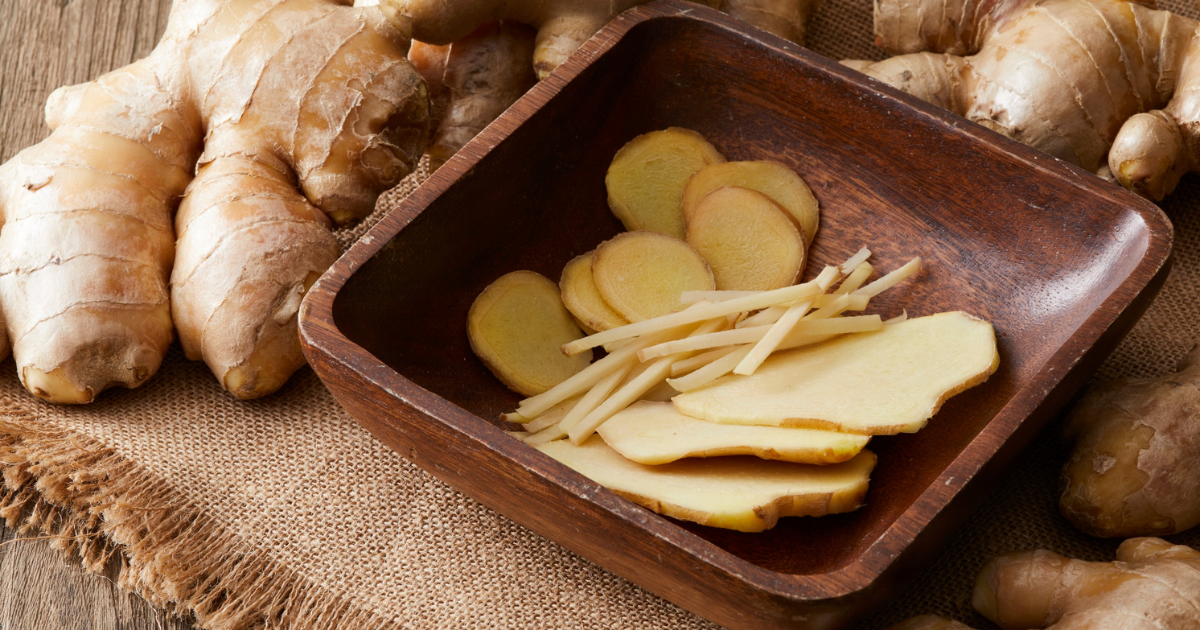
Temulawak (Curcuma xanthorrhiza) telah lama dikenal sebagai salah satu tanaman obat andalan dalam tradisi pengobatan Indonesia. Namun, seiring berkembangnya zaman, penelitian ilmiah modern mulai mengungkap berbagai manfaat tak terduga yang melampaui penggunaan tradisionalnya, membuka potensi baru bagi dunia kesehatan.
1. Potensial Melawan Bakteri Penyebab Jerawat
Ekstrak rimpang temulawak diketahui memiliki sifat antibakteri yang kuat. Sebuah penelitian secara spesifik menunjukkan bahwa ekstrak etanol 96% dari rimpang temulawak efektif dalam menghambat pertumbuhan bakteri Staphylococcus epidermidis, salah satu bakteri yang berkaitan dengan munculnya jerawat. Efektivitas yang terbukti terhadap bakteri pemicu jerawat ini menyoroti potensi aplikatifnya, di mana penelitian lain mengonfirmasi bahwa ekstrak temulawak (yang dalam studi terpisah menggunakan pelarut etanol 95%) berhasil diformulasikan menjadi sediaan salep anti-jerawat yang stabil dan memenuhi semua syarat pengujian farmasi.
2. Membantu Menurunkan Kadar Asam Urat Secara Signifikan
Salah satu manfaat temulawak yang paling mengejutkan adalah potensinya dalam mengatasi asam urat. Senyawa flavonoid yang terkandung di dalamnya diduga bertanggung jawab untuk menghambat enzim xanthine oxidase, yang berperan dalam pembentukan asam urat di dalam tubuh. Data dari sebuah studi eksperimental sangat meyakinkan: pemberian ekstrak etanol rimpang temulawak terbukti dapat menurunkan kadar asam urat dengan persentase penurunan hingga 43,04% pada dosis 200 mg/kg.
3. Menjadi Objek Penelitian Modern untuk Terapi Kanker
Potensi temulawak telah menarik perhatian dunia farmakologi modern, terutama dalam penelitian terapi kanker. Sebuah senyawa bioaktif spesifik bernama Xanthorrhizol (XNT) berhasil diekstrak dari Curcuma xanthorrhiza. Senyawa ini kini diteliti secara intensif karena memiliki berbagai aktivitas biologis, termasuk potensi sebagai agen anti-kanker. Pentingnya senyawa ini dalam penemuan obat baru ditekankan oleh para peneliti:
XNT is a potent natural bioactive compounds that can meet the needs of today’s new drug discovery.
4. Lebih dari Sekadar Antibakteri: Kemampuan Anti-Jamur
Kemampuan antimikroba temulawak ternyata tidak hanya terbatas pada bakteri. Penelitian ilmiah telah membuktikan bahwa ekstrak metanol dari temulawak juga memiliki fungsi anti-jamur yang efektif, khususnya terhadap Candida albicans. Dalam sebuah studi, konsentrasi 10% dari ekstrak tersebut mampu menghasilkan diameter zona hambat sebesar 16,2 mm, sebuah bukti nyata akan efektivitasnya dalam melawan infeksi jamur.
Kesimpulan
Temulawak, tanaman asli Indonesia yang akrab kita temui, ternyata menyimpan potensi yang jauh lebih besar daripada sekadar jamu tradisional. Dari mengatasi jerawat hingga menjadi subjek penelitian kanker, sains terus membuktikan bahwa rimpang sederhana ini adalah gudang senyawa berkhasiat. Dengan semakin banyaknya rahasia yang diungkap oleh sains, potensi apalagi yang mungkin tersimpan dalam rimpang temulawak untuk pengobatan di masa depan? Airamor menggunakan temulawak sebagai bahan formulasinya.
Jurnal : Jurnal-Temulawak-anti-inflamasi-untuk-penyembuhan-luka.pdf
Referensi :
Afianti, H. P., Murrukmihadi, M. (2015). Pengaruh Variasi
Kadar Gelling Agent HPMC terhadap Sifat Fisik dan
Aktivitas Antibakteri Sediaan Gel Ekstrak Etanolik
Daun Kemangi (Ocimum basilicum L. forma
citratum Back.). Majalah Farmaseutik, Vol. 11(2),
Pp. 307-315.
Ahmad, S. U., Aladdin, N.-A. B., Jamal, J. A., Shuid, A.
N., Mohamed, I. N. (2021). Evaluation of WoundHealing and Antioxidant Effects of Marantodes
pumilum (Blume) Kuntze in an Excision Wound
model. Molecules, Vol. 26(1), Pp. 28.
Anggun, B. D., Slamet, S., Pambudi, D. B. (2020). Uji
Stabilitas Fisik Formula Sediaan Gel Ekstrak Daun
Kelor (Moringa Oleifera Lamk.). Jurnal Ilmiah
Kesehatan, Vol. 13(2), Pp. 115-122.
Christodouleas, D. C., Fotakis, C., Nikokavoura, A.,
Papadopoulos, K., Calokerinos, A. C. (2015).
Modified DPPH and ABTS Assays to Assess The
Antioxidant Profile of Untreated Oils. Food
Analytical Methods, Vol. 8(5), Pp.1294–1302.
Comino-Sanz, I. M., Lopez-Franco, M. D., Castro,
B., Pancorbo-Hidalgo, P. L. (2021). The Role of
Antioxidants on Wound Healing: A Review of
The Current Evidence. Journal of Clinical Medical,
Vol.10(16), Pp. 3558.
Deng, Z., Shi, F., Zhou, Z., Sun, F., Sun, M.-H., Sun, Q.,
Chen, L., Li, D., Jiang, C.-Y., Zhao, R.-Z., Cui, D., Wang,
X.-J., Jing, Y.-F., Xia, S.-J., Han, B.-M. (2019). M1
Macrophage Mediated Increased Reactive Oxygen
Species (ROS) Influence Wound Healing via The
MAPK Signaling in Vitro and in Vivo. Toxicol Appl
Pharmacology, Vol. 366, Pp.83-95.
Devaraj, S., Ismail, S., Ramanathan, S., Yam, M. F. (2014).
Investigation of Antioxidant and Hepatoprotective
Activity of Standardized Curcuma xanthorrhiza
Rhizome in Carbon Tetrachloride-Induced Hepatic
Damaged Rats. Scientific World Journal, Pp. 353128.
Dosoky, N. S., Setzer, W. N. (2018). Chemical Composition
and Biological Activities of Essential Oils of Curcuma
Species. Nutrients, Vol. 10(9), Pp. 1196.
Fuchs, S., Shariati, K., Ma, M. (2020). Specialty Tough
Hydrogels and Their Biomedical Applications.
Advanced Healthcare Materials, Vol. 9(2),
Pp. e1901396.
Gharibi, R., Yeganeh, H., Rezapour-Lactoee, A., Hassan,
Z. M. (2015). Stimulation of Wound Healing by
Electroactive, Antibacterial, and Antioxidant
Polyurethane/Siloxane Dressing Membranes: in
Vitro and in Vivo Evaluations. ACS Applied Materials
& Interfaces, Vol. 7(43), Pp. 24296-24311.
Ghomi, E. R., Khalili, S., Khorasani, S. N., Neisiany, R. E.,
Ramakrishna, S. (2019). Wound Dressings: Current
Advances and Future Directions. Journal of Applied
Polymer Science, Vol. 136(27), Pp. 47738.
Ginting, C. N., Lister, I. N. E., Girsang, E., Riastawati, D.
(2020). Antioxidant Activities of Ficus Elastica
Leaves Ethanol Extract and Its Compounds.
Molecular and Cellular Biomedical Sciences,
Vol. 4(1), Pp. 27-33.
Gunes, S., Tamburaci, S., Dalay, M. C., Gurhan, I. D. (2017).
In Vitro Evaluation of Spirulina Platensis Extract
Incorporated Skin Cream with Its Wound Healing
and Antioxidant Activities. Pharmaceutical Biology,
Vol. 55(1), Pp. 1824-1832.
Hadisi, Z., Nourmohammadi, J., Nassiri, S. M. (2018). The
Antibacterial and Anti-Inflammatory Investigation
of Lawsonia Inermis-Gelatin-Starch Nano-Fibrous
Dressing in Burn Wound. International Journal
of Biological Macromolecules, Vol.107(Part B),
Pp. 2008-2019.
Hakkarainen, T., Koivuniemi, R., Kosonen, M., EscobedoLucea, C., Sanz-Garcia, A., Vuola, J., Valtonen, J.,
Tammela, P., Mäkitie, A., Luukko, K., Yliperttula, M.,
Kavola, H. (2016). Nanofibrillar Cellulose Wound
Dressing in Skin Graft Donor Site Treatment.
Journal of Controlled Release, Vol.244(Part B),
Pp. 292-301.
Hasanah, U., Yusriadi, Y., Khumaidi, A. (2017). Formulasi
Gel Ekstrak Etanol Daun Kelor (Moringa oleifera
Lam) sebagai Antioksidan. Online Journal of
Natural Science, Vol..6(1), Pp. 46-57
Helary, C., Abed, A., Mosser, G., Louedec, L., Letourneur,
D., Coradin, T., Giraud-Guille, M. M., Meddahi-Pelle,
A. (2015). Evaluation of Dense Collagen Matrices as
Medicated Wound Dressing for The Treatment of
Cutaneous Chronic Wounds. Biomaterials Science,
Vol. 3(2), Pp. 373-382.
Kesumayadi, I., Almas, A. I., Rambe, Hakim, I. N.,
Rebriarina, H. (2021). Effect of Curcuma xanthorrhiza
Gel on Methicillin-Resistant Staphylococcus
aureus-Infected Second-Degree Burn Wound in
Rats. Natural Product Sciences, Vol. 27(1), Pp. 1-9.
Khan, A. W., Kotta, S., Ansar, S. H., Sharma, R. K., Kumar,
A., Ali, J. (2013). Formulation Development,
Optimization and Evaluation of Aloe Vera Gel
for Wound Healing. Pharmacognosy Magazine,
Vol. 9((Suppl. 1), Pp. S6-S10.
Koo, M.-A., Hong, S. H., Lee, M. H., Kwon, B.-J., Seon, G.
M., Kim, M. S., Kim, D., Nam, K. C., Park, J.-C. (2019).
Effective Stacking and Transplantation of Stem Cell
Sheets using Exogenous ROS-Producing Film for
Accelerated Wound Healing. Acta Biomaterialia,
Vol. 95, Pp. 418-426. Kumar, S., Sandhir, R., Ojha, S. (2014). Evaluation of
Antioxidant Activity and Total Phenol in Different
Varieties of Lantana camara Leaves. BMC Research
Notes, Vol. 7(1), Pp. 1-9.
Kurahashi, T., Fujii, J. (2015). Roles of Antioxidative
Enzymes in Wound Healing. Journal of
Developmental Biology, Vol. 3(2), Pp. 57-70.
Lee, Y.-H., Chang, J.-J., Chien, C.-T., Yang, M.-C., Chien, H.-
F. (2012). Antioxidant Sol-Gel Improves Cutaneous
Wound Healing in Streptozotocin-Induced Diabetic
Rats. Experimental Diabetes Research, Pp. 504693.
Malone-Povolny, M. J., Maloney, S. E., Schoenfisch, M.
H. (2019). Nitric Oxide Therapy for Diabetic Wound
Healing. Advanced Healthcare Materials, Vol. 8(12),
Pp. e1801210.
Mansouri, F. El, Farissi, H. El, Fadoua, A., Gueriri, S. A.
El. (2021). Investigation of The Pharmacological
Properties and Antioxidant Activity of Curcuma
longa. L. AIP Conference Proceedings, Vol.2417(1),
Pp. 20025.
Mary, H. P., Susheela, G. K., Jayasree, S., Nizzy, A.,
Rajagopal, B., Jeeva, S. (2012). Phytochemical
Characterization and Antimicrobial Activity
of Curcuma xanthorrhiza Roxb. Asian Pacific
Journal of Tropical Biomedicine, Vol.2(Suppl.2),
Pp. S637-S640.
Mayet, N., Yahya E Choonara, P. K., Tomar, L. K., Tyagi,
C., Toit, L. C. Du, Pillay, V. (2014). A Comprehensive
Review of Advanced Biopolymeric Wound Healing
Systems. Journal of Pharmaceutical Sciences,
Vol.103(8), Pp. 2211-2230.
Mulholland, E., Dunne, N. J., McCarthy, H. O. (2017).
MicroRNA as Therapeutic Targets for Chronic
Wound Healing. Molecular Therapy – Nucleic Acids,
Vol. 8(C), Pp. 1-21.
Nguyen, T. T. T., Ghosh, C., Hwang, S.-G., Tran, L. D., Park,
J. S. (2013). Characteristics of Curcumin-Loaded
Poly (Lactic Acid) Nanofibers for Wound Healing.
Journal of Materials Science, Vol. 48, Pp. 7125–7133.
O’Connor, N. A., Syed, A., Wong, M., Hicks, J., Nunez,
G., Jitianu, A., Siler, Z., Peterson, M. (2020).
Polydopamine Antioxidant Hydrogels for Wound
Healing Applications. Gels, Vol. 6(4), Pp. 39.
Rahmat, E., Lee, J., Kang, Y. (2021). Javanese
turmeric (Curcuma xanthorrhiza Roxb.):
Ethnobotany, Phytochemistry, Biotechnology,
and Pharmacological Activities. Evidence-Based
Complementary and Alternative Medicine, Vol. 11.
Ramdani, E. D., Marlupi, U. D., Sinambela, J. M.,
Tjandrawinata, R. (2016). A New Method of
Xanthorrhizol Isolation from The Rhizome Extract
of Curcuma xanthorrhiza. Scholars Academic
Journal of Biosciences, Vol. 4, Pp.732-737.
Rohman, A., Widodo, H., Lukitaningsih, E., Rafi, M.
(2019). Review on in Vitro Antioxidant Activities
of Curcuma Species Commonly Used as Herbal
Components in Indonesia. Food Research, Vol. 4(2),
Pp. 286-293.
Rohman, A., Wijayanti, T., Windarsih, A., Riyanto, S. (2020).
The Authentication of Java Turmeric (Curcuma
xanthorrhiza) using Thin Layer Chromatography
and 1H-NMR based-Metabolite Fingerprinting
Coupled with Multivariate Analysis. Molecules,
Vol. 25(17).
Rosidi, A. (2020). The Difference of Curcumin and
Antioxidant Activity in Curcuma xanthorrhiza at
Different Regions. Journal of Advanced Pharmacy
Education & Research, Vol. 10(1), Pp. 14-18.
Rosidi, A., Khomsan, A., Setiawan, B., Riyadi, H. (2016).
Antioxidant Potential of Temulawak (Curcuma
xanthorrhiza roxb). Pakistan Journal of Nutrition,
Vol. 15(6), Pp. 556-560.
Sahoo, A., Jena, S., Ray, A., Dash, K. T., Nayak, S., Panda,
P. C. (2021). Chemical Constituent Analysis and
Antioxidant Activity of Leaf Essential Oil of Curcuma
xanthorrhiza. Journal of Essential Oil Bearing Plants,
Vol. 24(4).
Sayuti, N. A. (2015). Formulasi dan Uji Stabilitas Fisik
Sediaan Gel Ekstrak Daun Ketepeng Cina (Cassia
alata l.). Jurnal Kefarmasian Indonesia, Vol. 5(2),
Pp. 74-82.
Senja, R. Y., Amelia, R. (2018). Formulasi dan Uji Stabilitas
Gel Ekstrak Etanol Daun Kemangi (Ocimum
sanctum L.) dengan Pembentuk Gel Carbopol 940
Konsentrasi 0.5% & 0.75% dan HPMC. Medimuh:
Jurnal Kesehatan Muhammadiyah, Vol. 1(1),
Pp. 45-54.
Shi, L., Liu, X., Wang, W., Jiang, L., Wang, S. (2018). A Self‐
Pumping Dressing for Draining Excessive Biofluid
around Wounds. Advanced Materials, Vol 31(5).
Sohn, D. H., Kim, Y. C., Oh, S. H., Park, E. J., Li, X., Lee,
B. H. (2003). Hepatoprotective and Free Radical
Scavenging Effects of Nelumbo Nucifera.
Phytomedicine, Vol. 10(2–3), Pp. 165-169.
Sukweenadhi, J., Yunita, O., Setiawan, F., Kartini,
K., Siagian, M. T., Danduru, A. P., Avanti, C.
(2020). Antioxidant Activity Screening of Seven
Indonesian Herbal Extract. Biodiversitas, Vol. 21(5),
Pp. 2062-2067.
Süntar, I., Akkol, E. K., Nahar, L., Sarker, S. D. (2012).
Wound Healing and Antioxidant Properties:
Do They Coexist in Plants? Free Radicals and
Antioxidants, Vol. 2(2), Pp. 1-7.
Thangavel, P., Ramachandran, B., Kannan, R.,
Muthuvijayan, V. (2017). Biomimetic Hydrogel
Loaded with Silk and l‐Proline for Tissue
Engineering and Wound Healing Applications.
Journal of Biomedical Materials Research Part B:
Applied Biomaterials, Vol. 105(6), Pp. 1401-1408.
Tonin, L. T. D., Oliveira, T. F. V. de, Marco, I. G. de, Palioto,
G. F., Düsman, E. (2021). Bioactive Compounds
and Antioxidant, Antimicrobial and Cytotoxic
Activities of Extracts of Curcuma longa. Journal of
Food Measurement and Characterization, Vol. 15,
Pp. 3752–3760. Widowati, W., Herlina, T., Ratnawati, H., Constantia,
G., Deva, Sathya, I. D. G., Maesaroh, M. (2015a).
Antioxidant Potential of Black, Green and Oolong
Tea Methanol Extracts. Biology, Medicine, & Natural
Product Chemistry, Vol. 4(2), Pp. 35-39.
Widowati, W., Janeva, B. W., Nadya, S., Amalia, A.,
Arumwardana, S., Kusuma, H. S. W., Arinta, Y. (2018).
Antioxidant and Antiaging Activities of Jasminum
Sambac Extract, and Its Compounds. Journal of
Reports in Pharmaceutical Sciences, Vol. 7(3),
Pp. 270-285.
Widowati, W., Pryandoko, D., Wahyuni, C. D.,
Marthania, M., Kusuma, H. S. W.,Handayani,
T. (2021a). Antioxidant Properties of Soybean
(Glycine max L.) Extract and Isoflavone. 2021 IEEE
International Conference on Health, Instrumentation
& Measurement, and Natural Sciences (InHeNce),
Pp. 1–6.
Widowati, W., Ratnawati, H., Husin, W., Maesaroh, M.
(2015b). Antioxidant Properties of Spice Extracts.
Biomedical Engineering, Vol. 1(1), Pp. 24-29.
Widowati, W., Tjokropranoto, R., Damayanti, C., Kusuma,
H., Handayani, T., Rizal, R. (2021b). Potential of Black
Tea (Camellia Sinensis (L.) O. Kuntze) Extract as
Anti-oxidant and Skin Anti-aging.
Widyastuti, I., Luthfah, H. Z., Hartono, Y. I., Islamadina, R.,
Can, A. T., Rohman, A. (2021). Antioxidant Activity
of Temulawak (Curcuma xanthorrhiza Roxb.) and
Its Classification with Chemometrics. Indonesian
Journal of Chemometrics and Pharmaceutical
Analysis, Vol. 1(1), Pp. 28-41.
Xu, Z., Han, S., Gu, Z., Wu, J. (2020). Advances and
Impact of Antioxidant Hydrogel in Chronic Wound
Healing. Advanced Healthcare Materials, Vol. 9(5),
Pp.1901502.
Zhang, C.-M., Fan, P.-H., Li, M., Lou, H.-X. (2014). Two New
Sesquiterpenoids from The Rhizomes of Curcuma
xanthorrhiza. Helvetica Chimica Acta, Vol. 97(9),
Pp. 5-1300.